Growth
·
The real cost of a slow proposal-to-decision cycle
When a proposal takes six weeks to become a decision, the visible cost is delay. The invisible cost is everything that didn't get proposed in the first place — because people learned that the system wasn't worth the effort.
Every organization has a cycle time between someone identifying an opportunity and the organization acting on it. In fast-moving companies, that cycle is measured in days. In slower ones, it stretches to months. The difference isn't just speed — it's the volume and quality of ideas that enter the pipeline at all.
When people know that a well-researched proposal will sit in review for weeks, they adjust their behavior. They stop surfacing smaller improvements. They bundle ideas into larger, less frequent proposals to justify the overhead. They wait for the "right moment" — a planning cycle, a leadership offsite, a strategy review — instead of acting when the insight is fresh.
The hidden filter
A slow decision cycle acts as an invisible filter on the organization's ability to improve. It doesn't block the big, obvious initiatives — those carry enough weight to push through any process. What it blocks is the steady stream of incremental improvements that, over time, compound into a significant competitive advantage.
These are the proposals that shorten a process by two days, fix a customer pain point that's annoying but not urgent, or test a small bet that might open a new revenue stream. Individually, none of them is transformative. Collectively, they're the difference between an organization that steadily gets better and one that stays roughly the same.
The filter is especially damaging because it's self-reinforcing. The fewer proposals that make it through, the fewer people bother proposing. Over time, the organization develops a learned helplessness around improvement — everyone sees what could be better, but nobody believes the system will respond.

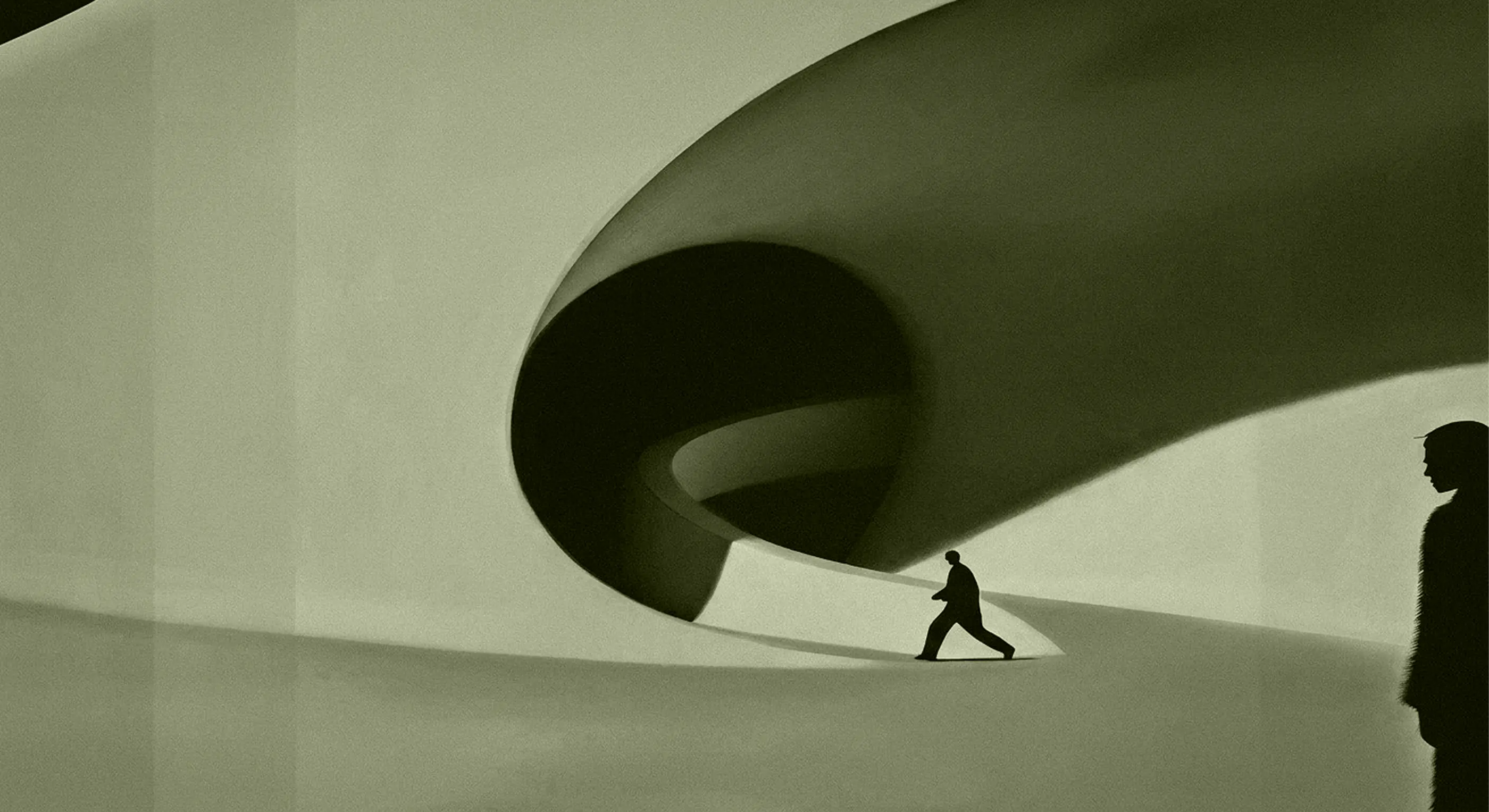
This is a image caption.
Where the cycle breaks down
In our experience, the bottleneck is rarely at the beginning or the end of the cycle. People are usually willing to propose, and decision-makers are usually willing to decide. The breakdown happens in the middle — the ambiguous stretch between submission and resolution where a proposal is nominally "under review" but practically waiting for attention.
This middle zone is where proposals go to stall. They need input from someone who's traveling. They require data that hasn't been pulled yet. They're on an agenda that keeps getting bumped. None of these delays are intentional, and none of them seem significant in isolation. But they compound, and a proposal that could have been decided in a day takes six weeks instead.
Compressing the cycle
The fix isn't to lower decision quality — it's to reduce the administrative distance between a proposal and a decision. The most effective change we've seen is simple: establish a maximum cycle time for proposals by category. Strategic bets get two weeks. Operational improvements get five days. Anything under a defined cost threshold gets decided by the relevant team lead, no escalation required.
The specifics matter less than the principle: make the expected pace explicit, and make exceptions visible. When everyone knows how long a decision should take, the cost of delay becomes harder to ignore — and the system starts to self-correct.